Making $1,000 selling digital products with AI in 2026 is not a fantasy. It is a math problem. You pick a product type that people already buy, generate it with AI tools, list it on a platform that handles delivery, and drive traffic with free content. The biggest mistake beginners make is trying to sell generic AI art to nobody. Instead, focus on products that solve a specific problem, like a printable budget planner or a prompt pack for real estate agents. You can learn more about proven product categories in our guide to AI digital products that actually sell.
The tools are cheaper and faster than ever. ChatGPT free tier gives you access to GPT-4o mini for text generation. Midjourney can create professional wall art in minutes. Canva lets you package those assets into polished, brandable products without hiring a designer. But tools alone will not make you money. You need a repeatable process. We have broken down that process into seven steps, starting with picking a niche and ending with automating your sales. You can see the full side hustle workflow in our ChatGPT side hustle guide.
This article is not a vague list of ideas. It is a specific, step-by-step plan with real data points on platform fees, free-tier limits, and pricing math. By the end, you will know exactly how many sales you need at what price to hit $1,000, which platforms to use, and what red flags to avoid. If you are new to selling digital products, start with our beginner guide to passive income digital products. Then come back here and build your first product.
What You’ll Need
- ChatGPT or Claude free tier
- Midjourney basic plan (optional)
- Canva free plan
- Gumroad or Payhip account
- Pinterest or TikTok account
- n8n free tier (optional for automation)
How Do You Best AI Digital Products to Make $1,000 in 2026?
- Pick a digital product type that already sells
Do not start by asking what AI can make. Start by asking what people already buy. The easiest AI digital products to sell in 2026 fall into five categories: printable planners, prompt packs, Notion templates, wall art, and ebooks. Each category has existing demand on Etsy, Gumroad, and Payhip. You can see a full breakdown of these categories in our list of AI digital products that actually sell.
Validate your idea before generating anything. Go to Etsy and search for your product type. Look at the top 10 listings. If they have more than 100 reviews, that means demand exists. If they have few reviews, the market may be too small. For example, a search for “ADHD daily planner” often shows listings with hundreds of reviews. A search for “abstract dog portrait AI” may show fewer. Choose the one with proven buyers.
According to Etsy Investor Relations, the marketplace consistently reports tens of millions of active buyers looking for digital downloads like planners and art prints. That built-in traffic is valuable for beginners who do not have an audience. Still, you should not rely on Etsy alone. Pair it with Gumroad or Payhip to keep more of each sale.
One actionable shortcut is to pick a niche you already understand. If you have worked in real estate, create an AI prompt pack for real estate listing descriptions. If you are a teacher, create printable classroom management templates. Your domain knowledge helps you write better prompts and produce better products. This step connects to the next one because your product type determines which AI tool you use.
- Generate the core product with AI
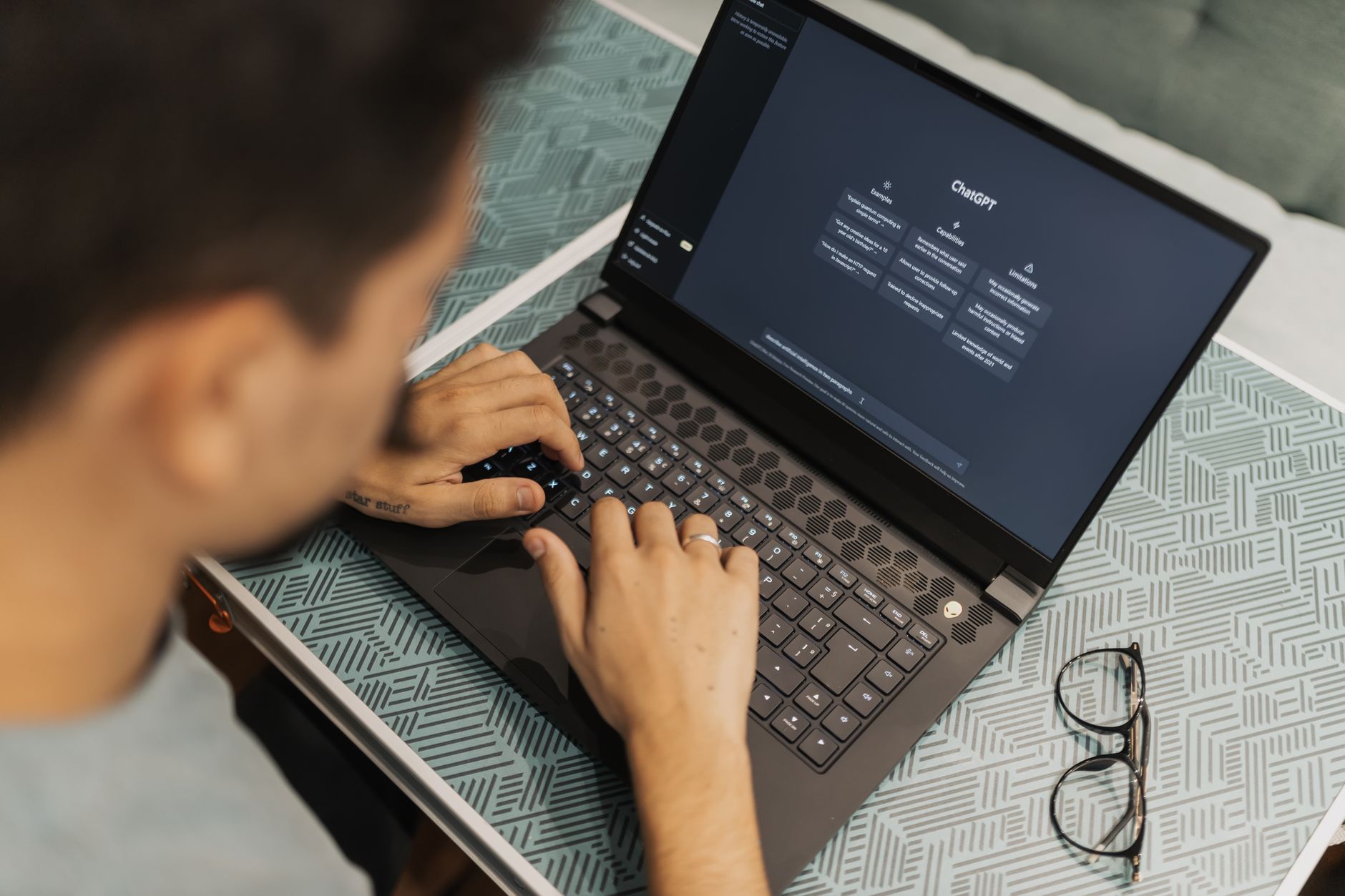
For text products like ebooks, prompt packs, and Notion templates, use ChatGPT or Claude. OpenAI’s documentation lists GPT-4o with a 128,000 token context window, which means you can paste a long outline and get a full chapter draft in one prompt. The ChatGPT free tier gives access to GPT-4o mini with roughly 15 messages every three hours. Claude free tier allows about 20 messages per day. That is enough to generate a full planner or a 50-prompt pack in a single afternoon. See our ChatGPT side hustle guide for exact prompt formulas.
For visual products like wall art or printable cards, use Midjourney or DALL-E. Midjourney free trials are limited, but a basic plan starts around $10 per month and gives you hundreds of generations. The key is to prompt for a specific style, aspect ratio, and mood. For example, “minimalist botanical line art, white background, black ink, 8.5x11 aspect ratio” produces printable wall art. You can learn more about this in our Midjourney wall art guide.
Do not generate once and stop. Generate 10 to 15 variations, then pick the best two or three. AI output often has small flaws, like extra fingers or odd text. Use a second pass to fix those issues. For text, ask the AI to rewrite any awkward sentences in a consistent tone. For images, use a tool like Canva to crop, adjust contrast, or overlay text.
Your goal in this step is not perfection. It is a usable draft that solves a problem. You will polish it in the next step. The most common mistake here is spending three hours tweaking a single prompt. Instead, generate many rough options quickly, then move to packaging.
- Polish and package the product
Raw AI output rarely looks ready to sell. Use Canva to add branding, a title page, and consistent fonts. Canva free plan includes 5 GB cloud storage and over 250,000 free templates. That is plenty to create a professional product cover and preview images. You can follow our guide to selling Canva templates with AI for a detailed walkthrough.
For printable products, export as a high-resolution PDF at 300 DPI. For wall art, export as JPG or PNG at 300 DPI and include common aspect ratios like 4:5, 3:4, and 2:3. For prompt packs, export as a clean PDF or Google Doc. Always include a short license page that explains what the buyer can and cannot do. Most buyers expect personal use only, but a commercial license can justify a higher price.
Create three to five preview images that show exactly what the buyer gets. For a planner, show the cover, a weekly spread, and a page close-up. For a prompt pack, show a screenshot of the prompts and an example output. Preview images are the single biggest factor in whether someone clicks “buy” on Etsy or Gumroad.
Packaging also includes the file name. Use a descriptive name like “Minimalist-Budget-Planner-2026.pdf” instead of “final_v2.pdf”. This small step makes your product look more professional and helps with SEO on marketplaces. Once packaged, you are ready to list it on a platform.
- Choose your sales platform and set up shop
Gumroad and Payhip are the fastest places to start because they handle file delivery, payments, and taxes for you. Gumroad charges a 10% flat fee per sale on the free plan. Payhip charges a 5% transaction fee on its free plan. That means on a $25 sale, Gumroad keeps $2.50 and Payhip keeps $1.25. Etsy charges $0.20 per listing plus a 6.5% transaction fee. You can compare all three in our platform comparison guide.
Set up your first listing in under 30 minutes. On Gumroad or Payhip, click “New Product”, upload your file, set a price, and add your preview images. On Etsy, create a listing, upload your digital file, set the instant download option, and fill out the 13 tags with keywords. Etsy’s built-in search traffic is a huge advantage for beginners who do not have a following.
Your listing title should include the product type, niche, and year. For example, “ADHD Daily Planner Printable 2026, ADHD Focus Planner, Minimalist Digital Download”. The first 40 characters matter most on Etsy search. Use natural language that a buyer would type.
Do not skip the description section. Write 150 to 200 words that explain what the buyer gets, how to use it, and what files are included. This reduces refund requests and improves conversion. After listing, move on to pricing.
- Price your product for the $1,000 goal
Pricing is where most beginners leave money on the table. To make $1,000, you can sell 40 units at $25 each, 67 units at $15 each, or 100 units at $10 each. That math is simple, but the psychology is not. A $25 printable planner feels like a fair price for a niche-specific, well-designed product. A $10 generic wall art print feels cheap. Aim for the $15 to $30 range for most digital products.
Prompt packs and Notion templates generally sell well between $9 and $19. Ebooks can go higher, between $19 and $39, if they solve a painful problem. You can test different price points by creating two listings for the same product at different prices, but that is against some platform rules. Instead, start at the higher end and offer a discount code for your email list or social followers.
Bundle pricing is the fastest way to raise your average order value. Instead of selling one planner for $25, sell a bundle of three planners for $39. That raises your average sale by over 50% and gets you to $1,000 faster. For more pricing strategies, see our beginner guide to passive income digital products.
Your revenue goal is not just about the product price. It is about the number of products you have listed. A seller with one product needs 40 sales. A seller with 10 products can reach $1,000 with just 4 sales per product if each is priced at $25. That is why the next step is driving traffic to your whole store, not just one product.
- Drive traffic with free content
You do not need paid ads to hit $1,000. Free traffic from Pinterest and TikTok works extremely well for digital products. Pinterest has 498 million monthly active users, many of whom search for planners, wall art, and organization printables. Create 3 to 5 pins per day using Canva from your product previews. Link each pin directly to your Gumroad or Payhip product page.
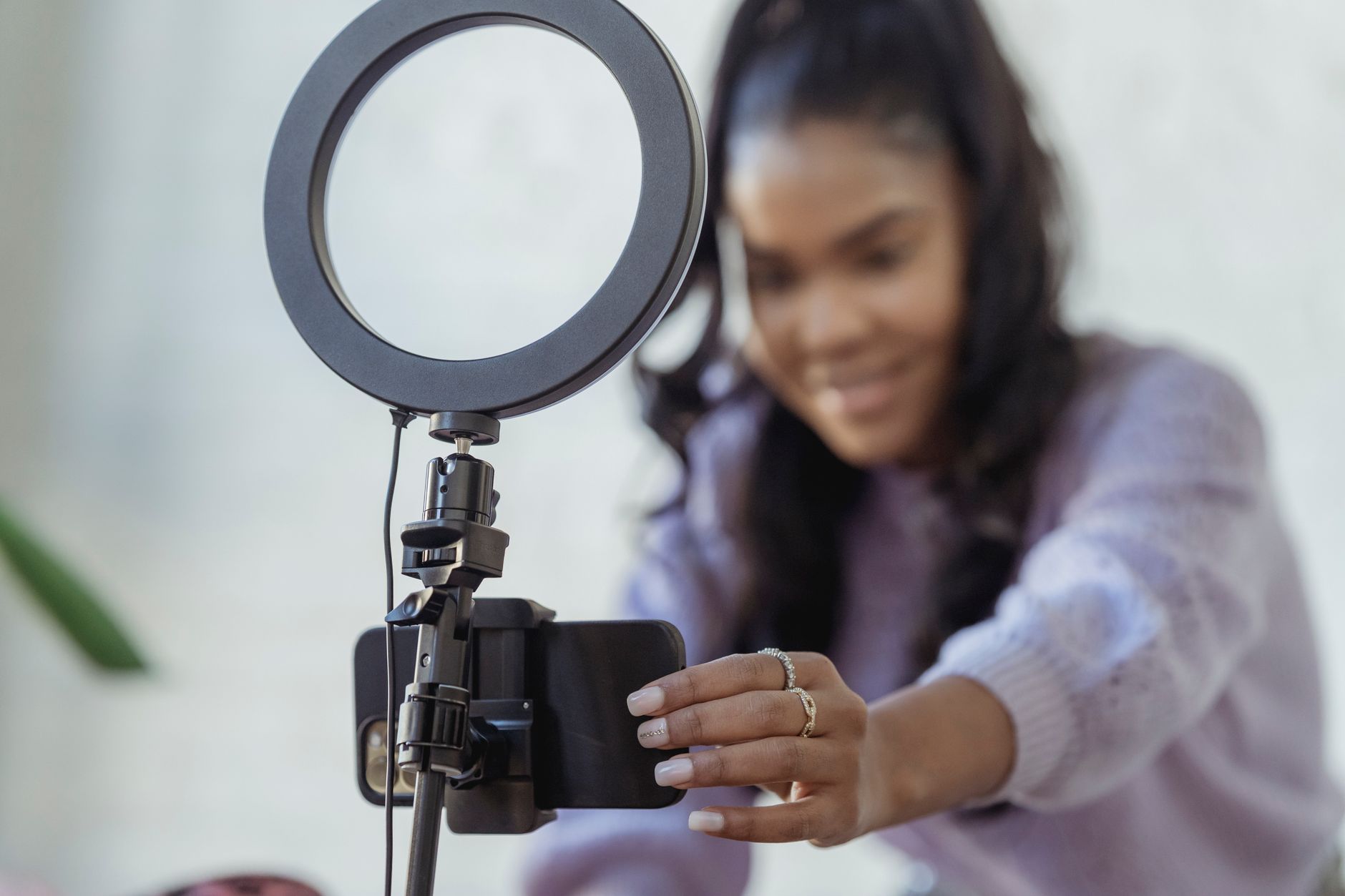
TikTok is even faster for viral bursts. Film a 15-second video showing your printable planner on a tablet, flipping through the pages. Or show a before-and-after of a room with your AI wall art. You do not need to show your face. Text overlay and trending audio are enough. For stock photo or art products, you can also create pins from the images themselves. See our guide to selling AI-generated stock photos for content ideas.
Etsy SEO is a third free traffic source. Use keywords in your title, tags, and description. Think like a buyer: “2026 budget planner printable”, “ADHD daily checklist”, “minimalist wall art neutral”. Do not stuff keywords. Write readable sentences that include the key phrase once or twice.
The goal is consistent, daily visibility. One Pinterest pin or TikTok video will not make you $1,000. Twenty pins and ten videos over two weeks might. Track which traffic source sends the most clicks by using a link shortener or platform analytics. Double down on what works.
- Automate delivery and scale to $1,000
Once you make your first few sales, automate everything you can. Tools like n8n and Zapier connect your store to email marketing or spreadsheet tracking. n8n has over 400 integrations, including Gumroad, Payhip, Gmail, and Google Sheets. You can set up a flow where every new sale triggers a thank-you email with a discount code for another product. That simple upsell often adds 20 to 30% to your revenue without any extra work.
For example, in n8n, create a workflow that watches for a new Gumroad sale. When it fires, send an email via Gmail with a 20% off code for your bundle. n8n’s free cloud tier allows a limited number of workflow executions per month, which is plenty for a new seller. You can learn how to set up these automations in our guide to building a digital product business with AI.
Scaling to $1,000 is about adding more products. After you have your first product running, create one new product per week. Reuse your existing templates and prompts. A planner design can be recolored in 20 minutes to become a new product. A prompt pack can be expanded into a premium version with 100 more prompts.
The power of a catalog is compound. With 5 products, you might make $100 per month. With 15 products, you might make $800 per month. With 20 products and automated upsells, $1,000 per month becomes very realistic. Do not stop at one product. The system, not the single product, is what gets you to $1,000.
Red Flags & Warnings
- 🚨 Do not sell AI-generated content that copies a specific creator’s style too closely. Copyright claims can shut down your shop and freeze your payouts.
- 🚨 Avoid platforms that charge monthly fees before you make your first sale. Stick with Gumroad, Payhip, or Etsy until you have consistent revenue.
- 🚨 Never rely on one traffic source. Etsy or Pinterest algorithm changes can drop your sales to zero overnight. Build at least two traffic channels.
- 🚨 Do not skip disclaimers for health, finance, or legal templates. Buyers expect professional review and may request refunds or leave bad reviews otherwise.
- 🚨 Do not use AI to generate stock photos with recognizable people without checking platform rules. Etsy and stock sites have strict policies on AI likenesses.
- 🚨 Do not price a product below $5 just to get sales. You will need 200 sales to reach $1,000 and will likely burn out before you get there.
Frequently Asked Questions
How fast can I make $1,000 selling AI digital products?
Most new sellers reach $1,000 in 2 to 4 months if they list 5 to 10 products and post free traffic content 3 to 5 times per week. The speed depends on your niche, product quality, and pricing. Some sellers hit $1,000 in a single month if a product goes viral on Pinterest or TikTok.
Do I need to pay for AI tools to start?
No. ChatGPT free tier gives limited access to GPT-4o mini with roughly 15 messages every three hours. Claude free tier allows about 20 messages per day. Canva free plan includes 5 GB storage and thousands of templates. Start free, then upgrade to a paid plan only after your first few sales.
Which platform is best for beginners selling AI digital products?
Gumroad is best for direct audience sales because it has no listing fee and delivers files automatically. Payhip is similar but has a lower transaction fee on the free plan. Etsy gives you built-in buyer traffic but charges $0.20 per listing and a 6.5% transaction fee.
What type of digital product sells fastest?
Printable planners, prompt packs, and Notion templates sell fastest because they solve a specific problem quickly. Wall art and stock photos sell well too but face more competition. Validate demand by searching Etsy for your product idea and checking the number of reviews on similar listings.
Can I sell AI-generated art on Etsy?
Yes, you can sell AI-generated art on Etsy as long as you disclose that it is AI-created and you own or have rights to the final design. Do not copy a living artist’s style too closely. Use a tool like Midjourney or DALL-E to create original compositions, then add your own text or layout changes.
How do I avoid copyright issues with AI products?
Never generate images that reproduce a specific character, logo, or artist’s signature style. Add your own original text, layout, or color changes to make the work transformative. Keep prompt logs in case a dispute arises. For text products, run a plagiarism check before listing.
What Should You Remember?
- Pick a proven niche before you generate anything. Planners and prompt packs convert better than generic art.
- Use free AI tools first like ChatGPT free tier and Canva free plan to keep costs at zero while you test product ideas.
- List on two platforms to combine Etsy’s buyer traffic with Gumroad or Payhip’s lower fees and faster payouts.
- Price for volume with a $15 to $30 digital product. You need 40 to 67 sales to reach $1,000.
- Drive free traffic daily with Pinterest pins and short TikTok videos that link directly to your product page.
- Automate delivery and upsells with n8n or Zapier so every sale can trigger a cross-sell email without manual work.
This article is for general information only and does not constitute financial or business advice. Earnings and market figures vary by source and change over time. Always verify current data through primary sources and consult a qualified professional before making financial decisions.