
Amazon is not just an ecommerce store. It is a distribution system with millions of daily buyers, built-in payment processing, and a search engine that prints sales if you rank. For creators working with AI tools, that reach matters. You can publish a book, upload a t-shirt design, or sell a digital template without ever touching inventory. But each method has different fees, approval requirements, and royalty math. If you already make AI-generated products, read our breakdown of AI digital products that actually sell in 2026 before you pick a lane. This guide compares four real ways to make money on Amazon.
We compared these methods the way a side hustler would: startup cost, time to first sale, passive income potential, and how well AI output fits. According to Bankrate, 36% of U.S. adults earn extra income from a side hustle, and the average side hustler brings in $891 per month. That number matters because Amazon often looks easier than it is. You need to know which program handles printing, shipping, customer service, and returns. Some methods are nearly hands off after upload. Others require ongoing customer support and inventory risk.
The digital product route, specifically Amazon KDP and Merch on Demand, lets you repurpose AI-generated text and images. You can create a low-content book, upload a cover, and let Amazon print on demand. Platform fees still take a cut. For comparison, Gumroad keeps 10% plus payment fees on each sale, while Payhip has a free plan with a 5% transaction fee. Amazon’s royalty structure is different because it includes fulfillment and customer trust. That tradeoff is worth understanding before you commit.
This article is not a get rich quick post. We tested these methods with AI-generated assets, then documented the real bottlenecks. AI can write a 100-page book or generate a t-shirt graphic in minutes, but Amazon still decides what ranks and what sells. Read our make $1,000 selling digital products with AI guide if you want the full system. Then come back and choose the Amazon method that matches your risk tolerance.
How Do the Top Options Compare?
| Method | Best For | Startup Cost | Passive Potential | AI Leverage |
|---|---|---|---|---|
| Amazon KDP | AI-written books and printables | Free to upload | High after ranking | Very high |
| Amazon Merch on Demand | AI-designed apparel | Free to apply | Medium | High |
| Amazon Associates | Niche content sites | Free | Medium | Low to medium |
| Amazon FBA | Physical product sellers | $500 to $3,000 | Medium | Low |
Royalty and fee figures are approximate and change by category, season, and product dimensions. Always check Amazon’s official fee schedules before setting prices.
1. Amazon KDP , Best for AI-generated ebooks and low-content books

Kindle Direct Publishing is the easiest entry point for AI-assisted creators. You upload a PDF or EPUB, set a price, and Amazon handles payment, delivery, and customer service. There is no listing fee. The royalty math matters though. For Kindle ebooks priced between $2.99 and $9.99, you earn 70% of the list price before delivery fees. Below or above that range, you earn 35%. A $4.99 book nets you roughly $3.49 minus a few cents for digital delivery. That is solid. A 200 page black and white paperback sold at $14.99 usually has a printing cost around $4.60, which comes out of your 60% royalty. You keep the difference.
AI fits KDP perfectly if you focus on low-content books like journals, planners, and activity books. You can generate interiors with Canva or custom scripts, then publish hundreds of variations. Our AI ebooks and passive income guide walks through the exact workflow. The real bottleneck is not creation. It is keyword research and cover design. Amazon search ranking decides whether your book gets seen. Use tools like Publisher Rocket or manual search to find low-competition niches.
One comparison that surprises creators: if you sell the same digital file on Gumroad, you keep about 90% after fees, but you do your own delivery and marketing. Amazon takes a bigger cut because it brings the customer. For most new authors, the built-in Amazon search traffic is worth the lower royalty.
Key strengths:
- ✅ 70% royalty on Kindle ebooks in the $2.99 to $9.99 range
- ✅ No inventory or shipping needed for ebooks and print on demand
- ✅ Free to upload books and make changes anytime
- ✅ Amazon search traffic can drive sales without paid ads
- ✅ Huge catalog of low-content niches for AI-generated interiors
- ❌ Amazon owns the customer relationship and can change royalties
- ❌ High competition in generic niches like blank journals
- ❌ Print book pricing can cut into margins after printing costs
Who it’s for: Choose KDP if you want to sell AI-written or AI-designed books with no upfront inventory.
2. Amazon Merch on Demand , Best for AI-designed t-shirts and print on demand
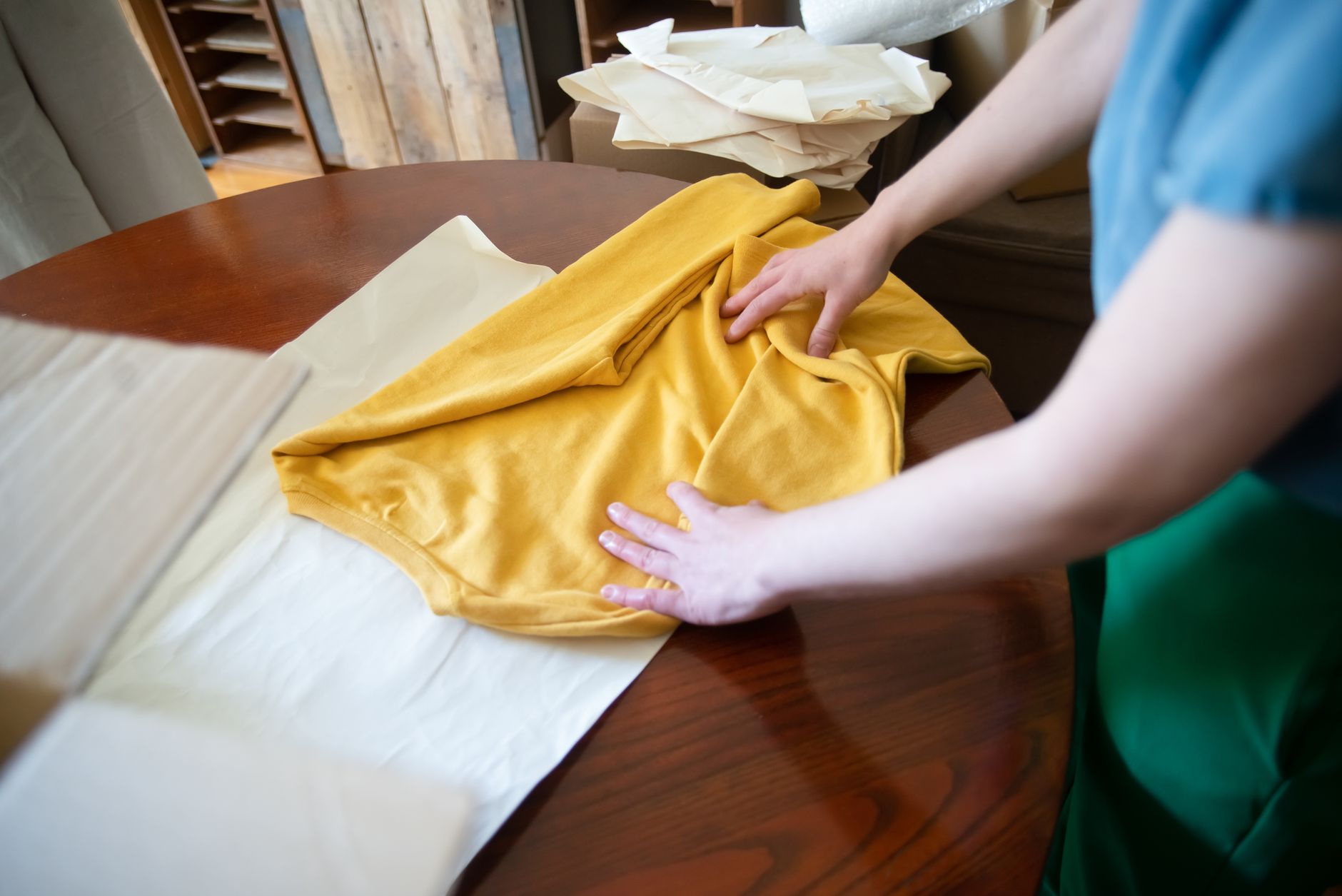
Merch on Demand is Amazon’s print on demand program for apparel and home goods. You apply for an account, get approved, then upload designs. Amazon prints, ships, and handles returns. New accounts start with just 10 design slots, which is frustrating. You earn a royalty per sale rather than a profit margin. A standard t-shirt priced at $19.99 might produce a $5.21 royalty depending on the product and season. That number can swing lower during promotions or higher for hoodies.
AI image generators are almost purpose built for this program. You can create a typography design or a retro graphic in Midjourney, then upload it to a t-shirt mockup. The hard part is trademark checks and visual originality. Amazon rejects designs that contain copyrighted characters, quotes, or logos. If you want to sell design files outside Amazon, you can list them on Payhip and keep more control. For a related path, see our how to sell Canva templates with AI.
Merch is passive after upload, but organic discovery is weak. You need to drive traffic from Pinterest, TikTok, or your own audience. Amazon’s search algorithm for Merch is less generous than KDP. The tier system also slows you down. You start with 10 designs and unlock more slots only after sales. Some creators wait months for approval.
Key strengths:
- ✅ Free to apply and no inventory costs
- ✅ Amazon handles printing, shipping, and returns
- ✅ AI-generated designs can be produced in minutes
- ✅ Royalties are predictable once a design sells
- ✅ Scale from 10 designs to thousands as you tier up
- ❌ Approval can take weeks or months
- ❌ Starting tier limits you to 10 uploads
- ❌ Royalty per unit is low on cheaper products
Who it’s for: Choose Merch on Demand if you want hands off apparel sales using AI art and already have an audience.
3. Amazon Associates , Best for content creators who recommend products
Amazon Associates is an affiliate program. You earn a commission when someone clicks your special link and buys a product on Amazon within 24 hours. The commission rates vary wildly by category. Amazon Games can pay 20%, luxury beauty pays 10%, electronics pays 3%, and grocery pays 1%. After Amazon’s 2020 rate cuts, many niche sites saw income drop by half overnight. That is a hard lesson in platform risk.
AI can help you scale Associates income if you build content sites that rank for buying keywords. You can use ChatGPT to draft product roundups, comparisons, and buying guides. But Google has cracked down on mass-produced AI content. You need to add real testing, original photos, or first person experience. Our ChatGPT side hustle guide covers the right way to use AI for content without getting penalized.
The Associate program is not passive income for beginners. You need traffic, and traffic takes months. If you already run a newsletter, YouTube channel, or blog, adding Amazon links can produce a solid trickle. But if you are starting from zero, consider selling a digital product instead.
Key strengths:
- ✅ Free to join and simple link generation
- ✅ Commission on the entire cart, not just the linked product
- ✅ Works with existing blogs, YouTube, or newsletters
- ✅ No customer service or product fulfillment required
- ✅ High commission rates in select categories like Amazon Games
- ❌ Commission rates dropped significantly in 2020
- ❌ 24 hour cookie window resets quickly
- ❌ Traffic requirement makes it slow for beginners
Who it’s for: Choose Associates if you already have content traffic and want to monetize recommendations.
4. Amazon FBA , Best for scaling physical product sales
Fulfillment by Amazon lets you send inventory to Amazon warehouses. Amazon stores, picks, packs, and ships your products. It also handles returns and customer service. That sounds great until you see the fee sheet. Amazon charges a referral fee around 15% of the sale price plus fulfillment fees. A standard-size unit weighing under 1 lb might cost $3.06 to fulfill in 2025. Larger or heavier items cost more. Storage fees also apply, and they spike in Q4.
FBA is not a digital product play, but it can complement one. Some creators sell physical planners, journals, or card decks printed elsewhere and shipped via FBA. The upfront risk is real. You need to buy inventory, ship it to Amazon, and hope it sells. If it does not, you pay long-term storage or removal fees. That is a very different risk profile from a low cost digital product business.
AI helps with product research, listing optimization, and ad copy. You can use ChatGPT to analyze review data, write bullet points, or generate A/B test ideas. But AI cannot fix a bad product. If you want a lower capital path back to digital, read our guide to AI printables that sell. The most successful FBA sellers combine a physical product with a digital lead magnet or brand.
Key strengths:
- ✅ Amazon handles storage, shipping, and returns
- ✅ Access to Prime customers and same day delivery
- ✅ Can scale quickly if a product proves demand
- ✅ Removes customer service burden from you
- ✅ AI can streamline product research and listing copy
- ❌ Referral and fulfillment fees can eat 30% to 40% of revenue
- ❌ Requires $500 to $3,000 or more in initial inventory
- ❌ Storage fees and unsold inventory create real financial risk
Who it’s for: Choose FBA if you have capital, a validated physical product idea, and tolerance for inventory risk.
Frequently Asked Questions
Can I sell AI-generated products on Amazon?
Yes. Amazon KDP and Merch on Demand accept AI-assisted content as long as you own the rights and follow copyright rules. Amazon may require you to disclose AI-generated content in some cases. Avoid trademarked characters, lyrics, and brand names.
How much money can beginners make on Amazon KDP?
Most beginners earn $0 to $100 per month in the first six months. A small number reach $1,000 or more after publishing dozens of books. Royalties depend on price, category, and whether you hit the 70% Kindle bracket.
Is Amazon Merch on Demand worth it in 2026?
It can be worth it if you treat it as a long term portfolio of designs. The low royalty and slow tier progression frustrate new sellers. Driving your own traffic often outperforms waiting for Amazon search.
What is the cheapest Amazon side hustle to start?
Amazon KDP is the cheapest because uploading a book costs nothing. Amazon Associates is also free, but you need traffic. Merch on Demand is free to apply, but approval is not guaranteed.
Do I need an LLC to sell on Amazon?
No. You can start as a sole proprietor with your Social Security number. An LLC becomes useful when revenue grows or you want legal separation. Always report Amazon income on your taxes.
Can AI tools write my Amazon listing and ad copy?
Yes. ChatGPT and Claude can draft bullet points, descriptions, and A/B test variations. But you should edit for accuracy because Amazon prohibits misleading claims and keyword stuffing.
What Should You Remember?
- KDP is the lowest risk entry point for AI-generated books and printables.
- Merch on Demand pays royalties but limits new sellers to 10 designs at first.
- Associates works only if you already have traffic from a blog, YouTube, or newsletter.
- FBA is a capital intensive physical product business, not a true passive income shortcut.
- Royalty math varies widely between 1% affiliate commissions and 70% KDP ebook royalties.
- AI accelerates production but does not replace keyword research, trademark checks, or listing quality.
- Start with one method and master it before layering on another Amazon income stream.
This article is for general information only and does not constitute financial or business advice. Earnings and market figures vary by source and change over time. Always verify current data through primary sources and consult a qualified professional before making financial decisions.