
Can you make money dropshipping? Yes, but the answer depends on what you call make money. A dropshipping store can generate revenue within weeks. Profit after ad spend, chargebacks, and supplier mistakes is another story. Most beginners quit before they recover their Shopify subscription. I tested this model against selling AI-generated digital products, and the difference in margin and effort is stark. If you want a side hustle that actually scales, read the full comparison before spending a dollar on Facebook ads. Our guide to AI digital products that actually sell in 2026 explains the alternative. Dropshipping is not a scam, but it is a job. Many sellers treat it as passive income and end up disappointed.
The numbers matter. Shopify Basic costs $39 per month before you sell a single product. Etsy charges a 6.5% transaction fee plus payment processing, which eats into already thin margins. Dropshippers often target 20% net margin, but shipping delays and ad costs can push that to zero. Meanwhile, Gumroad takes a 10% flat fee on digital products and Payhip starts at 5%. That leaves most of the sale price in your pocket. The math is why many creators are moving from physical dropshipping to instant downloads.
Time is the hidden cost. With dropshipping, you handle customer emails, tracking updates, and refund requests. A single viral product can turn into 40 support tickets overnight. Digital products invert that equation. You create the file once, upload it to Gumroad or Payhip, and the platform handles delivery. AI tools like ChatGPT and DALL-E can generate planners, templates, and stock images in minutes. This article compares the most common money-making paths so you can choose based on profit, not hype. Start with our best platforms to sell digital products in 2026.
I am not anti-dropshipping. Some sellers build real businesses with it. But you need product research, supplier vetting, and a budget for ads. The Federal Reserve’s Survey of Household Economics shows that side hustles rarely replace a full-time income quickly. If your goal is passive income, digital products on a platform with zero monthly fees are simply closer to the definition. Below, five methods ranked by startup cost, margin, and time to first sale.
How Do the Top Options Compare?
| Method | Typical Startup Cost | Profit Margin | Time to First Sale | Passive Potential |
|---|---|---|---|---|
| Shopify Dropshipping | $39/mo plus apps and ads | 10-20% net | 2-8 weeks | Low |
| Etsy Dropshipping/POD | $0.20 listing plus 10% fees | 15-30% | 1-4 weeks | Low-Medium |
| Gumroad Digital Products | $0/mo plus 10% fee | 80-90% | Days if product ready | High |
| Payhip Digital Products | $0/mo plus 5% fee | 85-95% | Days if product ready | High |
| AI Printables/Planners | $0 plus $20 AI subscription | 90%+ | Days to create and list | High |
Fees shown are base vendor fees only. Ad spend, payment processing, and supplier costs are extra. Etsy transaction fees vary by country.
1. Shopify Dropshipping , Best for Testing Physical Product Demand
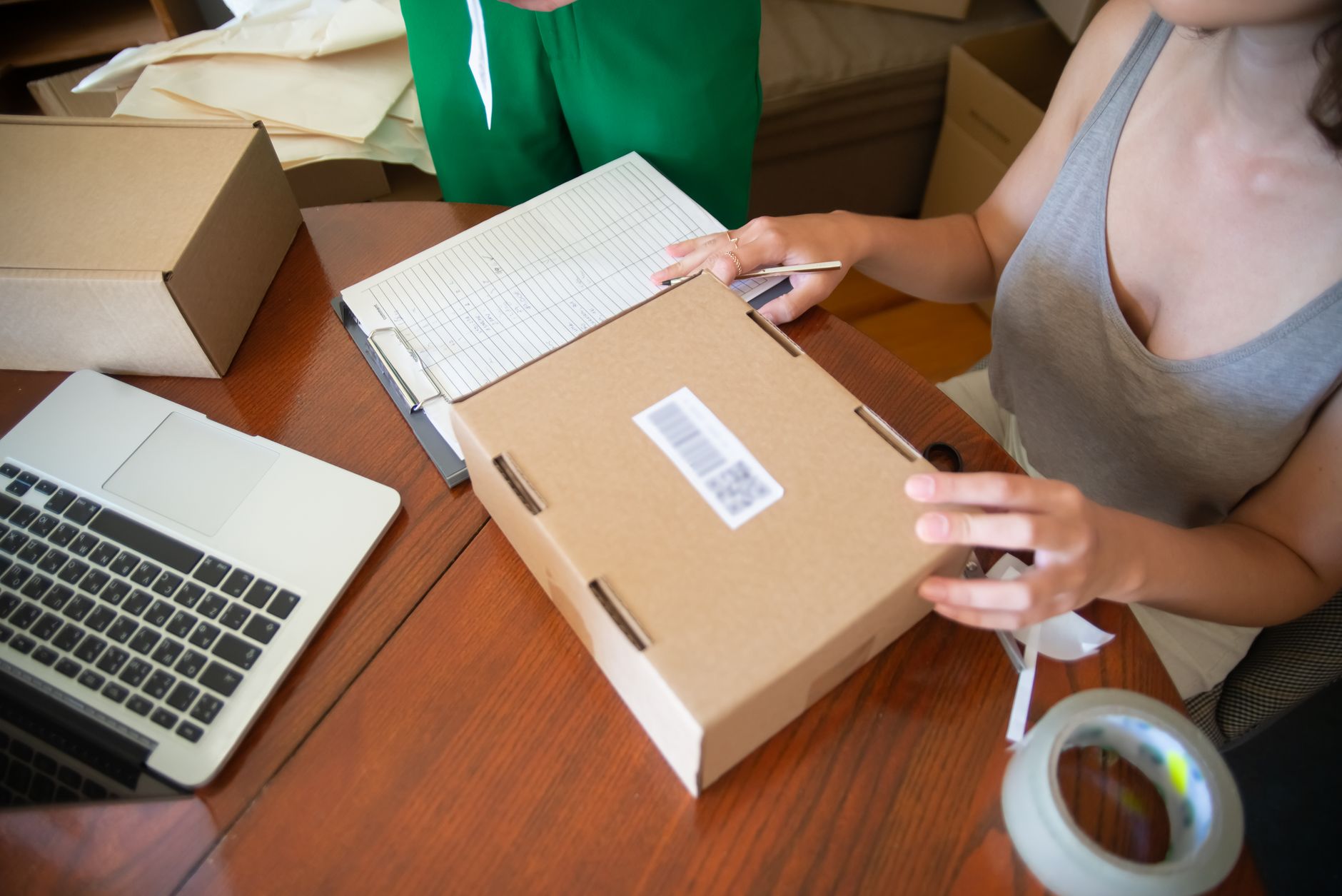
Shopify costs $39 per month for the Basic plan. That is before apps, domain, and ad spend. Most new stores also add a product import app, which adds another $20 to $50 monthly. You can run a store with AliExpress or CJ Dropshipping, but shipping times often stretch to 15 days. Customers do not like waiting that long. Chargebacks follow. The profit math is tight. Suppose you sell a product for $25 that costs $8 from the supplier. After payment processing and ad costs, you might keep $6. That is a 24% margin on a good day. One supplier mistake wipes out three sales. If you want an alternative with higher margins, check passive income digital products for beginners. Shopify works only if you treat it like a business. You need daily ad monitoring, product testing, and customer support. If you stop working, the revenue stops.
Key strengths:
- ✅ Large app library for product importing and upsells
- ✅ Scales well with winning products
- ✅ No inventory or warehousing needed
- ✅ Full control over branding and store design
- ❌ $39 per month plus apps and ad spend before profit
- ❌ Shipping delays and chargebacks hurt margins
- ❌ Requires daily customer support and ad management
Who it’s for: Choose Shopify dropshipping if you have an ads budget and want to test physical products.
2. Etsy Dropshipping and Print on Demand , Best for Leveraging Existing Marketplace Traffic
Etsy brings 90 million active buyers to the table. You do not need to run cold traffic ads. The platform charges a 6.5% transaction fee, plus payment processing of about 3% plus $0.25. That is roughly 10% off the top before your supplier is paid. Etsy’s investor relations reports show marketplace GMS has been under pressure, but print on demand still sells. Print on demand means you upload a design and a vendor prints and ships the mug, shirt, or poster. You never touch inventory. The downside is that margins drop to 15% to 30% because the print vendor takes a big cut. A $25 t-shirt might leave you $6 to $8 profit. Compare that to a $25 digital download where you keep $22 or more. The bigger issue is competition. Etsy has millions of print on demand shops using the same mockups. Standing out requires design skill or luck. For a different approach, read our guide on selling AI-generated stock photos in 2026.
Key strengths:
- ✅ Built-in buyer traffic from Etsy search
- ✅ No inventory for print on demand items
- ✅ Fast setup with a $0.20 listing fee
- ✅ Low risk if you test multiple designs
- ❌ 6.5% transaction fee plus 3% payment processing
- ❌ Print providers take 50-70% of the item price
- ❌ Standing out is hard in saturated categories
Who it’s for: Choose Etsy dropshipping or print on demand if you want marketplace traffic without paid ads.
3. Gumroad Digital Products , Best for Selling Ebooks, Templates, and Guides
Gumroad charges a flat 10% fee on every sale. No monthly fee. You upload a PDF, Notion template, or prompt pack, set a price, and share the link. The platform delivers the file instantly and handles VAT for EU customers. That is closer to passive income than most dropshipping models. You can read the current fee structure on Gumroad. The main work happens before the first sale. You need a product people want. AI makes that easier. A ChatGPT Plus subscription costs $20 per month and can generate ebook outlines, prompts, and content in an afternoon. You can produce a 30-page guide without hiring a writer. Then you sell it repeatedly with no inventory. The downside is that Gumroad does not bring traffic. You bring your own audience, SEO, or social media following. If you have zero traffic, sales can be slow.
Key strengths:
- ✅ 10% flat fee with zero monthly cost
- ✅ Instant digital delivery and EU VAT handled
- ✅ High profit margins of 80% or more
- ✅ Products can sell for years with no inventory
- ❌ No built-in marketplace traffic
- ❌ Marketplace ranking can bury new products
- ❌ Digital product competition is rising fast
Who it’s for: Choose Gumroad if you want high margins and are willing to build your own audience.
4. Payhip Digital Products , Best for Lower Fees and Built-in Affiliates
Payhip starts with a free plan that takes a 5% transaction fee. Pay $29 per month for the Plus plan and the fee drops to 2%. Pay $99 per month for Pro and you pay no transaction fees. For a new seller, the free plan is hard to beat. You keep 95% of each sale before payment processing. Payhip lists all plans on its pricing page. Payhip also has a built-in affiliate system. You can let other creators promote your digital product and pay them a commission. This is a huge advantage over Gumroad, which requires an external workaround for affiliates. The platform supports ebooks, courses, printables, and software keys. The interface is less polished than Gumroad. You may spend more time setting up your store. But once it is live, the economics work. For an AI product idea, see how to sell Canva templates with AI.
Key strengths:
- ✅ Free plan with only a 5% transaction fee
- ✅ Built-in affiliate system to get others selling for you
- ✅ Supports courses, printables, software, and memberships
- ✅ Zero listing fees and unlimited products
- ❌ Less design polish than Gumroad
- ❌ No marketplace traffic, same as Gumroad
- ❌ Higher plan costs only make sense at volume
Who it’s for: Choose Payhip if you want the lowest fees and plan to recruit affiliates.
5. AI-Generated Printables and Planners , Best for Fast Product Creation with AI

You can create a printable budget planner, habit tracker, or daily journal using ChatGPT, DALL-E, or Canva. ChatGPT Plus costs $20 per month. The free tier still works for basic text prompts. You generate the content, format it in Canva, and upload a PDF to Gumroad or Etsy. No physical shipping, no supplier calls. For a step-by-step, see how to make AI planners that sell. The margin is the highest of any method here. A $12 printable costs you maybe two hours of time and a few cents in software. After platform fees, you keep $10.80 on Gumroad. That is a 90% margin. Compare that to a $12 dropshipped gadget where you might keep $2. The catch is volume. You need many listings or strong SEO to make a full-time income. Etsy has millions of printables already. The sellers who win use specific niches, like ADHD planners or real estate templates.
Key strengths:
- ✅ 90% profit margins or higher
- ✅ No shipping, inventory, or supplier risk
- ✅ AI tools cut creation time to under an hour
- ✅ Listings can sell for years with no updates
- ❌ Saturated market on Etsy and Gumroad
- ❌ Requires design and formatting effort
- ❌ Slow sales without SEO or niche focus
Who it’s for: Choose AI-generated printables if you want the highest margins and truly passive delivery.
Frequently Asked Questions
Can you really make money dropshipping in 2026?
Yes, but profit depends on ad efficiency and product choice. Many new sellers earn less than minimum wage after fees. Treat it as a business, not passive income.
How much money do I need to start dropshipping?
Plan for at least $200 to $500. Shopify costs $39 per month, and ads can burn $20 per day before you find a winner. Digital products often require less than $50.
Is dropshipping better than selling digital products?
For passive income, digital products usually win. Margins are higher, support is lighter, and delivery is instant. Dropshipping offers physical product scale but lower profit and more work.
Can I use AI to make dropshipping products?
AI can help with product descriptions, ad copy, and store design. But it cannot solve shipping delays or supplier issues. For digital products, AI creates the product itself.
Do I need a business license to dropship?
In many places, yes once you generate regular sales. Check your local tax rules. Digital product sellers still need to report income but often have fewer sales tax requirements.
Which platform is best for digital products?
Gumroad and Payhip are both strong. Gumroad charges 10% flat. Payhip starts at 5%. Etsy adds marketplace traffic for a 6.5% transaction fee.
What Should You Remember?
- Dropshipping margins rarely exceed 20% after ad spend and fees.
- Shopify Basic starts at $39 per month before any sales.
- Etsy takes 6.5% per transaction plus 3% payment processing.
- Gumroad digital products keep 90% of the sale after a 10% fee.
- Payhip’s free plan takes only 5%, beating most competitors.
- AI printables can hit 90% margins with no inventory.
- Passive income favors digital downloads over physical dropshipping.
This article is for general information only and does not constitute financial or business advice. Earnings and market figures vary by source and change over time. Always verify current data through primary sources and consult a qualified professional before making financial decisions.